
Designing Your Dream Custom Outdoor Living Space: From Idea to Reality
Outdoor living spaces have become one of the most desirable home improvement features for homeowners looking to enhance both comfort and functionality. A thoughtfully designed outdoor area can provide a place to relax, entertain guests, enjoy family meals, or simply spend more time outside. Whether it is a cozy patio, an outdoor kitchen, a fire pit area, or a fully integrated backyard retreat, a well-planned design can transform an ordinary yard into an extension of the home.
Today's homeowners are placing greater emphasis on outdoor functionality than ever before. According to the National Association of Home Builders (NAHB), approximately 64% of homeowners say they want multi-functional outdoor areas that can be used for relaxing, dining, and even working. This growing demand continues to drive the popularity of the custom outdoor living space concept among homeowners seeking both beauty and practicality.
Designing an outdoor area requires more than simply adding furniture or landscaping features. Careful planning, material selection, layout considerations, and long-term functionality all play important roles in creating a space that truly fits your lifestyle and complements your home.
A professionally designed custom outdoor living space can improve property value, increase usable square footage, and create a more enjoyable outdoor experience year-round. In this article, we will explore the process of designing a custom outdoor area, from the initial planning stages to the final finishing touches that bring your vision to life.
Start With Your Lifestyle and Goals
Every successful outdoor project begins with understanding how the space will actually be used. Before choosing materials or design features, homeowners should think carefully about their lifestyle, entertaining habits, and long-term goals for the area.
Some homeowners prioritize relaxation and quiet seating areas, while others want a space designed for hosting gatherings and outdoor dining. Families may need open areas for children or pets, while avid cooks may focus on outdoor kitchens and grilling stations.
Defining the primary purpose of your custom outdoor living space helps guide every design decision moving forward. It also helps ensure the final result feels practical and personalized rather than overcrowded or underutilized.
Working with experienced outdoor design professionals can help homeowners translate ideas into a cohesive and functional plan that supports both comfort and usability.
Evaluate the Existing Outdoor Area
The layout and condition of your property will influence the overall design possibilities. Before beginning construction, it is important to evaluate factors such as yard size, slopes, drainage conditions, sunlight exposure, and existing landscaping.
A professional assessment can help identify opportunities and limitations within the space. For example, uneven terrain may require retaining walls or grading adjustments, while areas with heavy sun exposure may benefit from shade structures or pergolas.
Understanding the existing environment allows homeowners to create a custom outdoor living space that works naturally with the property rather than against it.
Drainage and grading are especially important because poor water management can affect the durability and longevity of patios, walkways, and outdoor structures over time.
Create Functional Outdoor Zones
One of the most effective ways to design a multi-functional outdoor area is by dividing the space into separate zones. Each zone can serve a different purpose while still contributing to a cohesive overall design.
Common outdoor zones may include:
- Dining areas
- Lounge spaces
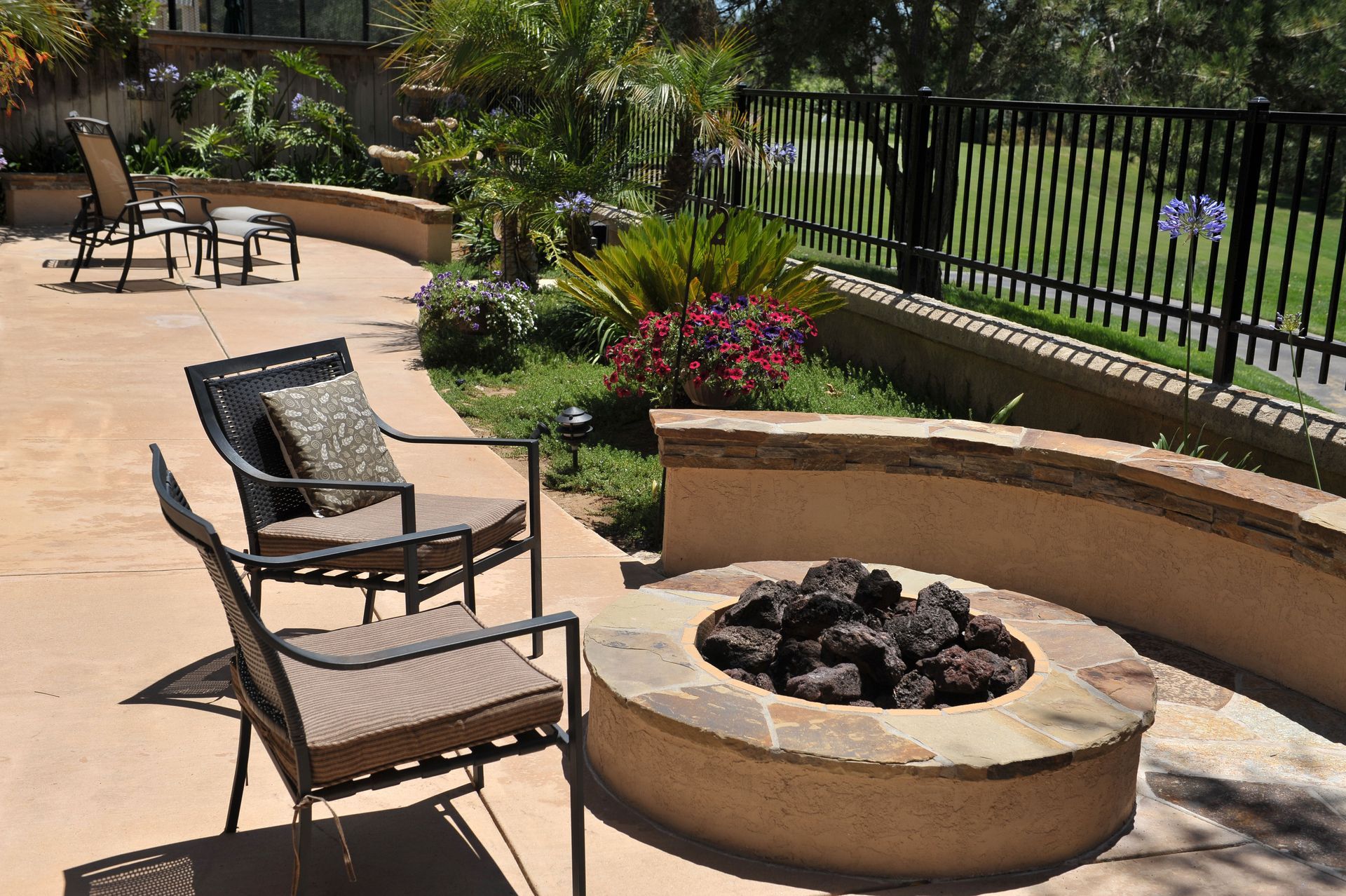
- Fire pit seating
- Outdoor kitchens
- Poolside gathering areas
- Garden pathways
- Entertainment spaces
Separating activities into designated areas helps improve organization and flow throughout the yard. It also makes larger outdoor spaces feel more intentional and comfortable.
A thoughtfully planned custom outdoor living space often balances open gathering areas with smaller, more private sections to create flexibility for different activities and occasions.
Choose Durable and Attractive Materials
Material selection plays a major role in both the appearance and durability of outdoor spaces. Since outdoor areas are exposed to weather, moisture, temperature changes, and heavy foot traffic, choosing long-lasting materials is essential.
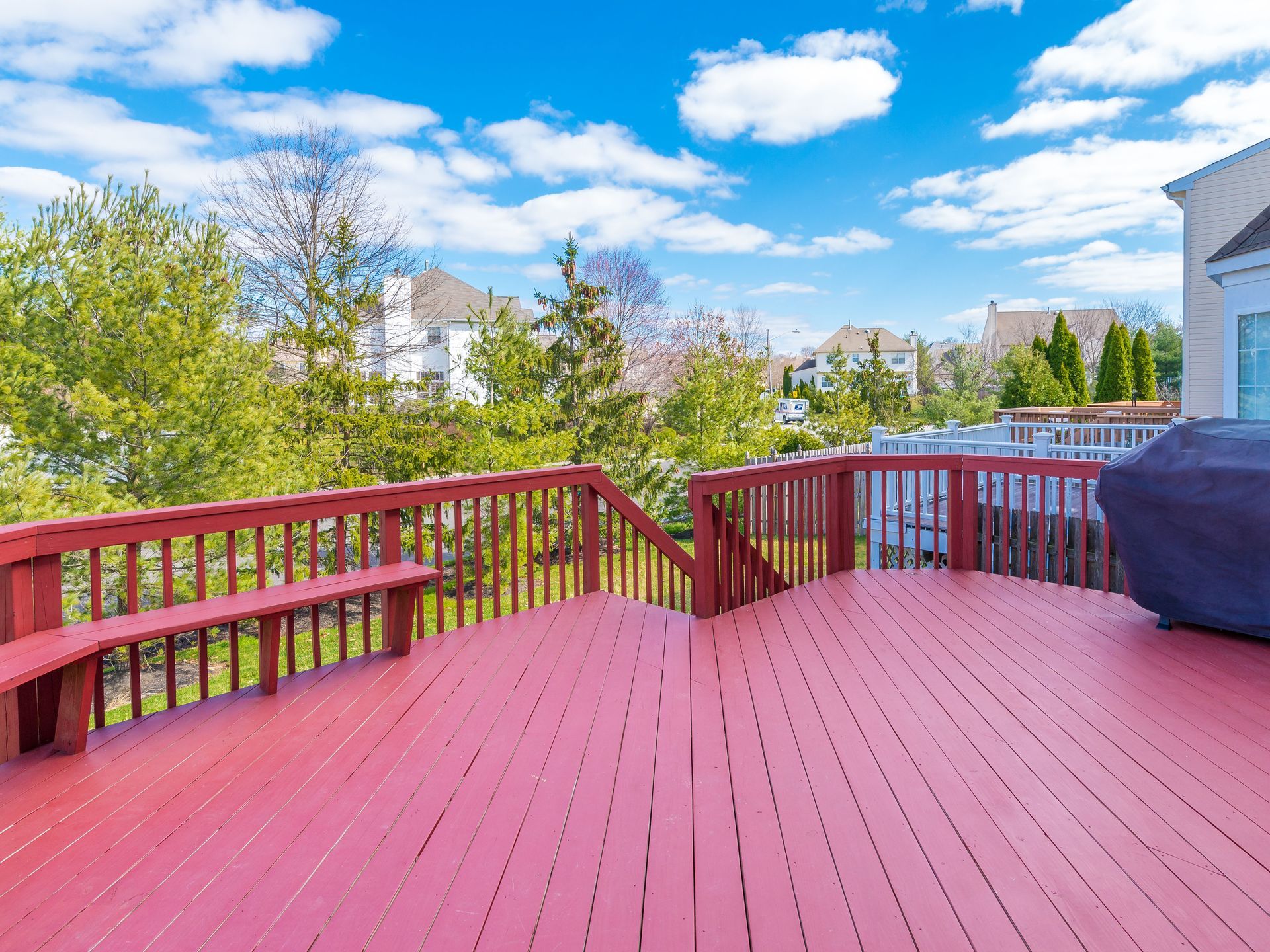
Popular patio and hardscape materials include natural stone, pavers, stamped concrete, brick, and composite decking. Each option offers different benefits in terms of appearance, maintenance requirements, and durability.
Furniture, cabinetry, countertops, and outdoor fabrics should also be selected with weather resistance in mind. Investing in high-quality materials can help extend the lifespan of your custom outdoor living space while reducing long-term maintenance needs.
Professional designers can help homeowners compare options and select materials that complement the home's architecture and outdoor environment.
Incorporate Comfortable Seating Areas
Comfortable seating is one of the most important elements of any outdoor design. The goal is to create a space where family members and guests genuinely want to spend time.
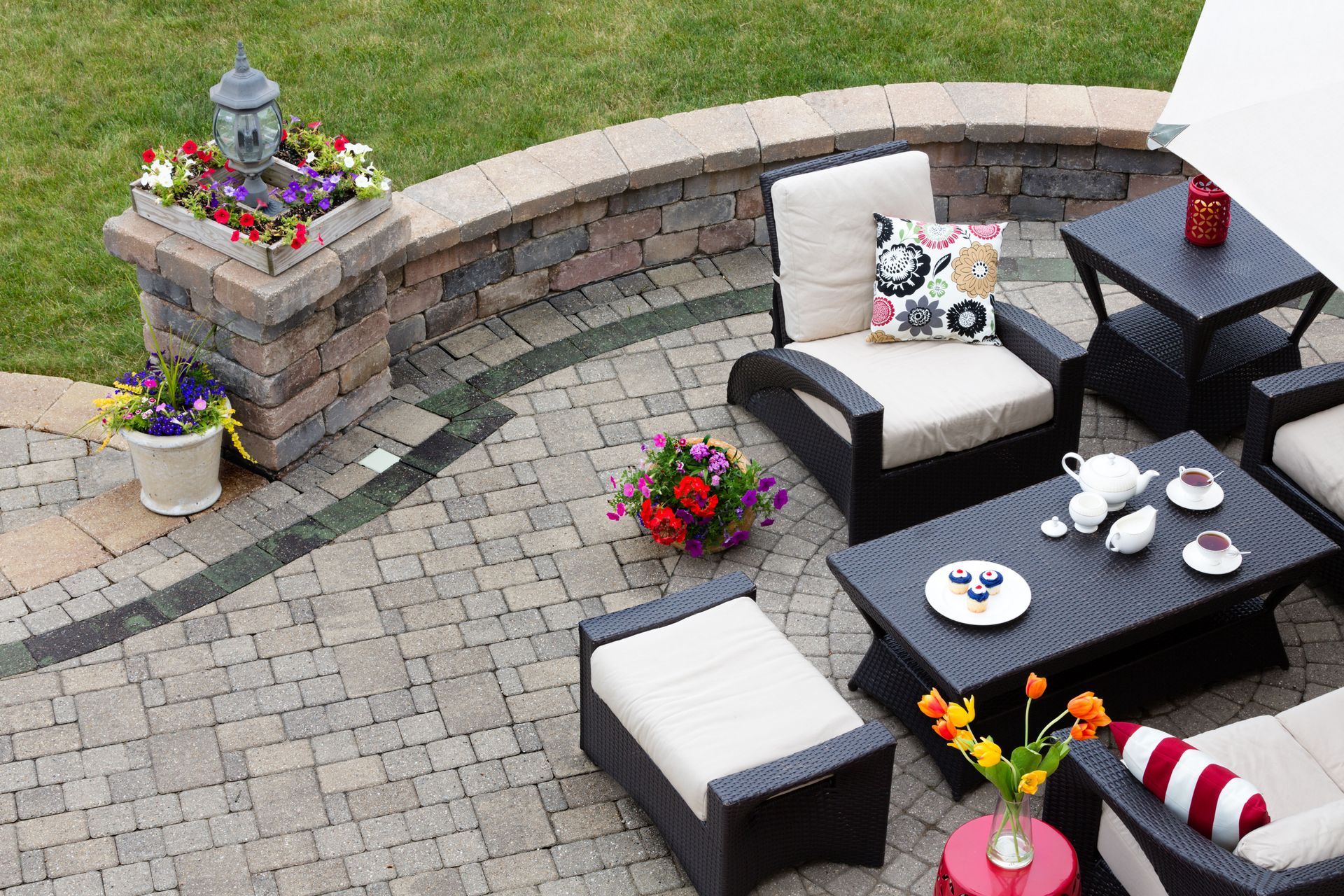
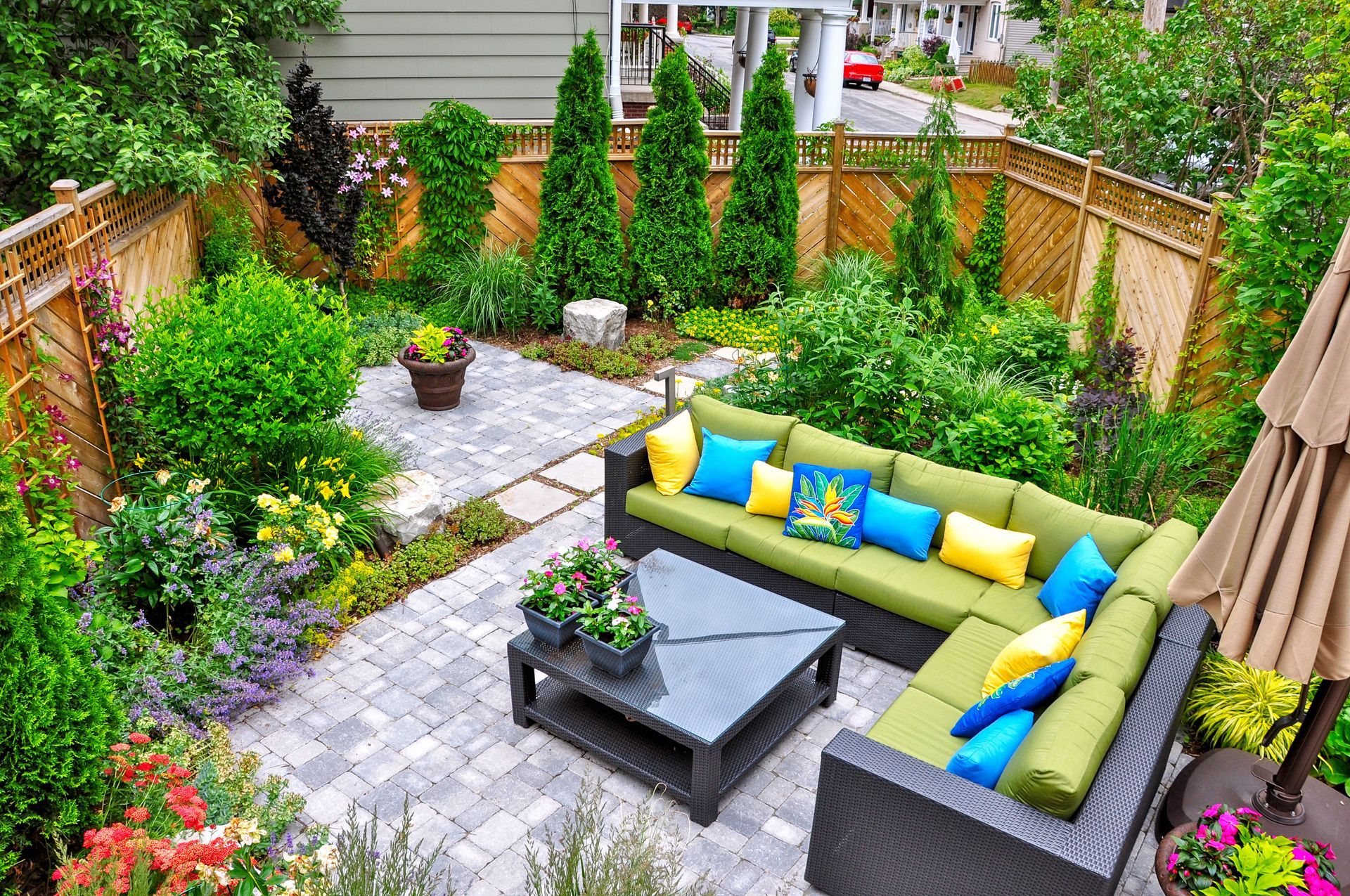
Outdoor sectionals, dining tables, lounge chairs, benches, and built-in seating all contribute to the overall functionality of the area. The arrangement of seating should encourage conversation, relaxation, and easy movement throughout the space.
Many homeowners also incorporate weather-resistant cushions, rugs, and decorative accessories to create a more inviting atmosphere.
A well-designed custom outdoor living space balances comfort and practicality while maintaining enough flexibility to accommodate both everyday use and larger gatherings.
Add Shade and Weather Protection
Sun exposure and changing weather conditions can affect how often outdoor areas are used. Adding shade structures and weather protection features helps improve comfort and extend the usability of the space throughout the year.
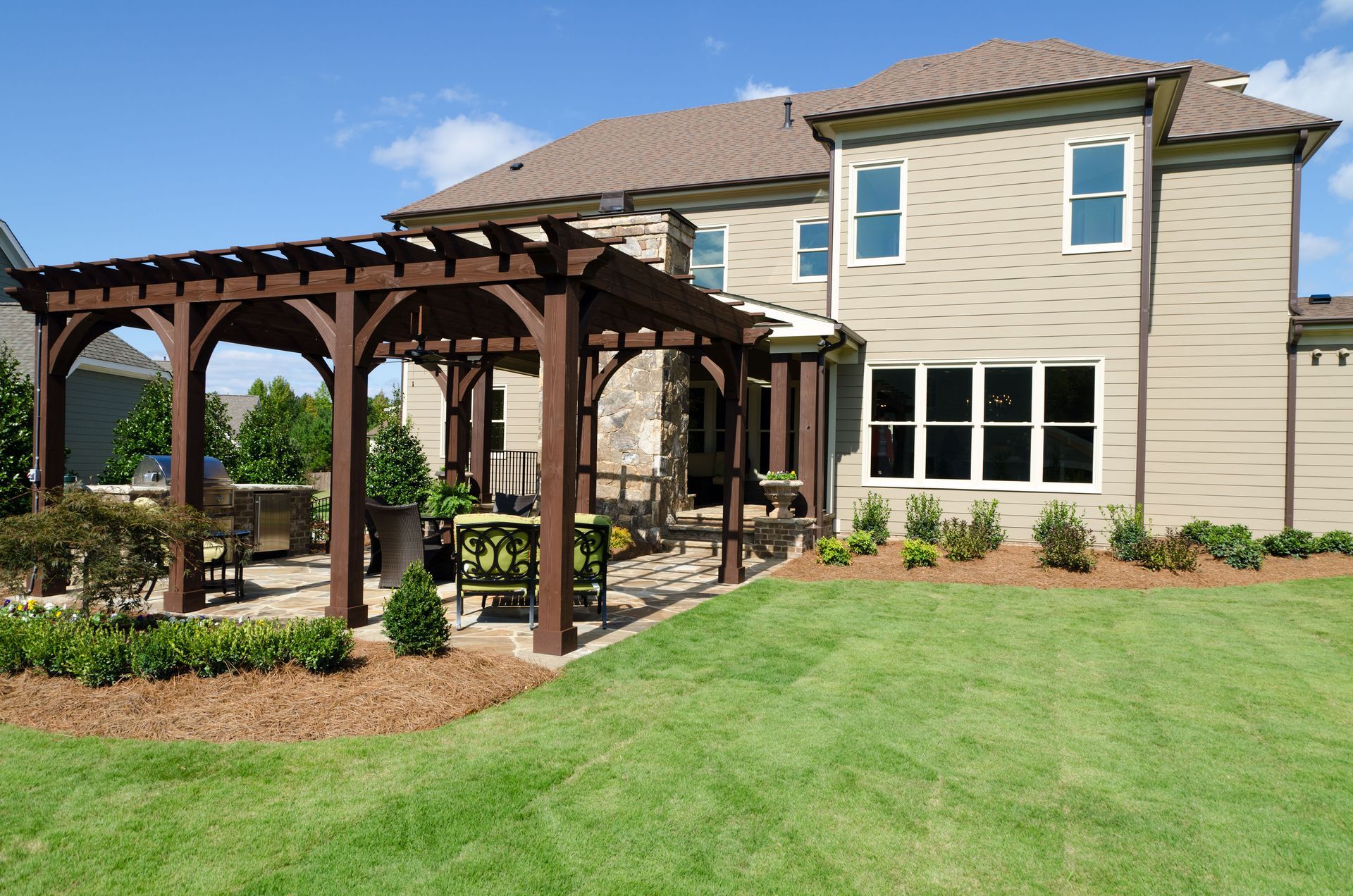
Pergolas, covered patios, retractable awnings, gazebos, and shade sails are popular additions that provide relief from direct sunlight and light rain.
Ceiling fans, outdoor heaters, and fireplaces may also improve year-round comfort depending on the local climate.
Incorporating shade solutions into your custom outdoor living space design can help create a more comfortable environment for relaxing, dining, and entertaining during different seasons.
Include Outdoor Lighting for Function and Atmosphere
Outdoor lighting serves both practical and aesthetic purposes. Proper lighting improves safety while also helping create a warm and inviting atmosphere after sunset.
Common outdoor lighting features include:
- Pathway lighting
- String lights
- Accent lighting
- Wall-mounted fixtures
- Landscape lighting
- Under-step lighting
- Fire feature illumination
Lighting can highlight landscaping elements, define gathering areas, and extend the usability of your outdoor space into the evening hours.
A professionally designed custom outdoor living space often incorporates layered lighting to create both functionality and visual appeal throughout the property.
Consider an Outdoor Kitchen or Dining Area
Outdoor dining and cooking areas continue to grow in popularity among homeowners who enjoy entertaining and spending time outdoors.
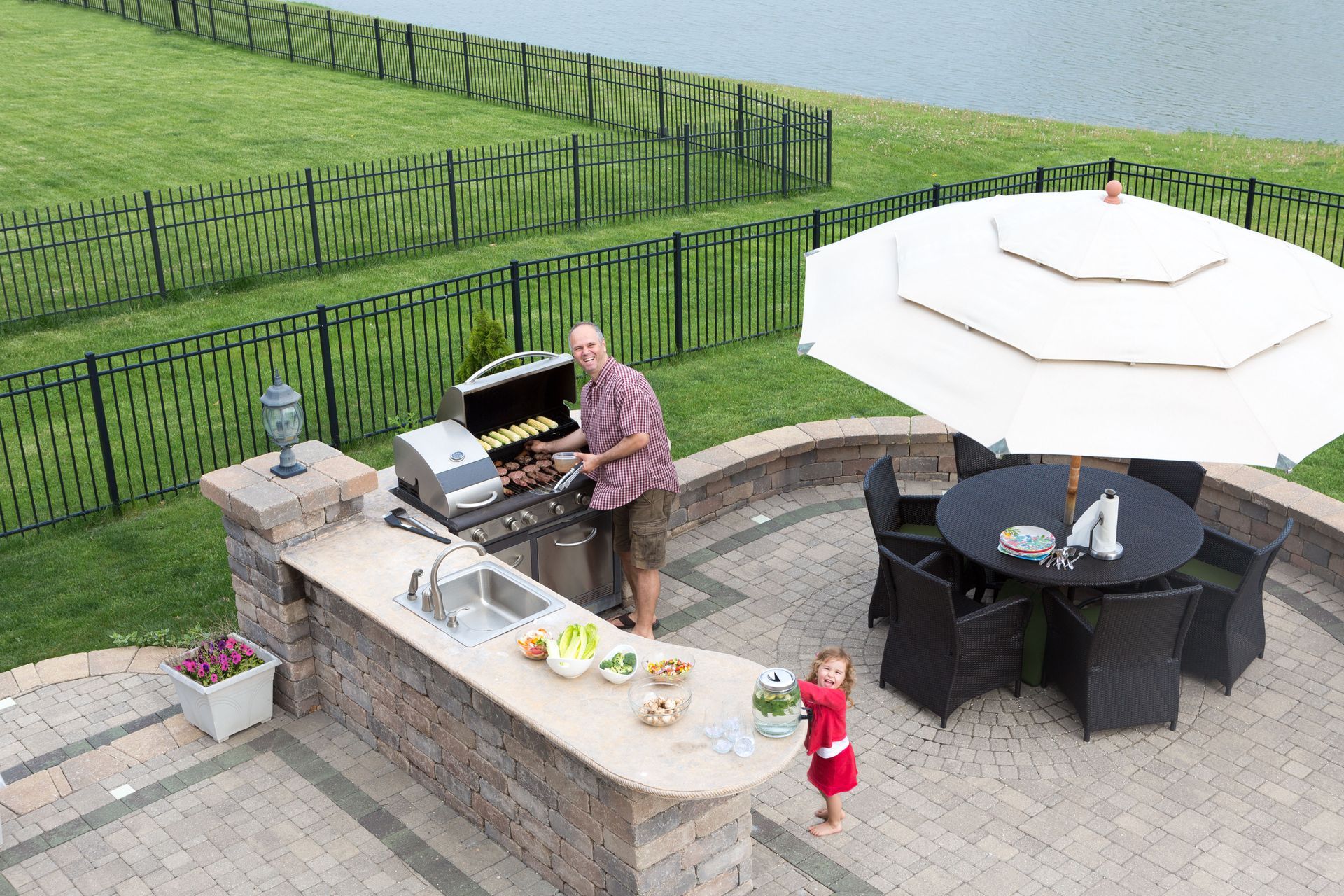
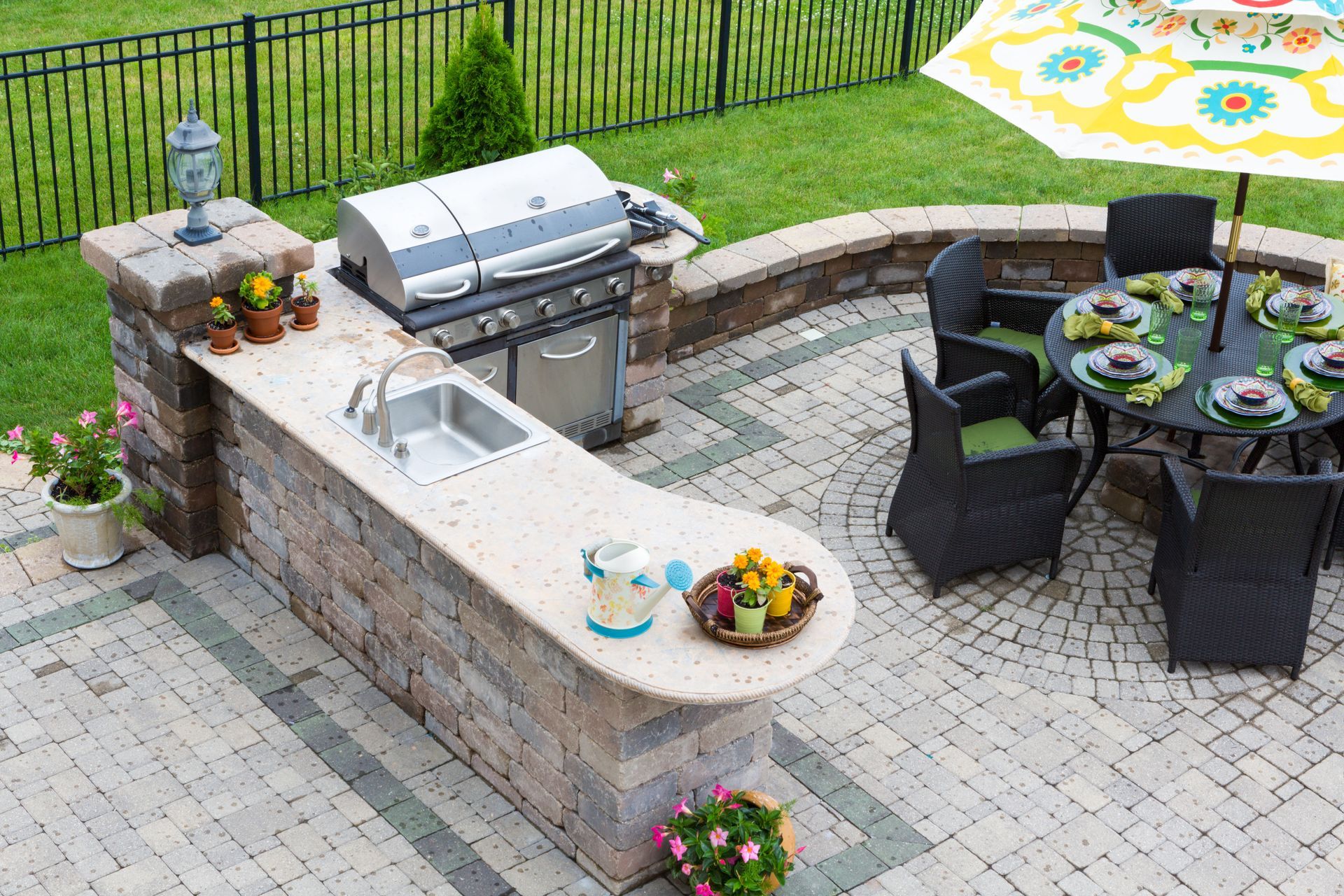
Outdoor kitchens may include grills, refrigerators, sinks, pizza ovens, beverage stations, and built-in storage. Even smaller spaces can often accommodate simple cooking and dining setups that improve convenience and functionality.
Dining areas should be positioned thoughtfully to encourage comfortable movement between cooking, serving, and seating areas. Including food preparation and dining features within a custom outdoor living space helps create a more complete and versatile entertainment environment.
Designing an outdoor living area involves much more than adding a patio or outdoor furniture. A successful project requires thoughtful planning, durable materials, functional layouts, and personalized design features that reflect the homeowner's lifestyle and goals.
According to the National Association of Home Builders, many homeowners now prioritize multi-functional outdoor spaces for relaxing, dining, and entertaining, which continues driving the popularity of outdoor living upgrades. Whether you envision a quiet retreat, an entertainment hub, or a complete backyard transformation, careful planning can help turn your ideas into reality.
From creating designated activity zones and selecting weather-resistant materials to adding lighting, landscaping, and outdoor kitchens, every detail contributes to the overall success of the project. A professionally designed custom outdoor living space can improve comfort, increase property value, and create a more enjoyable outdoor experience for years to come.
If you are ready to transform your backyard into the outdoor space you have always envisioned, contact Elite Landscape & Outdoor Living today to begin planning your custom outdoor living space and bring your dream design to life.
Share On: